What is Sleep Hygiene and Why It Matters
Sleep hygiene refers to the daily practices, environmental factors, and routines that influence how well you sleep. It is not simply about the number of hours you rest, but the quality and consistency of those hours. The science behind sleep hygiene highlights how exposure to light, caffeine timing, exercise, stress levels, and even room temperature can alter your circadian rhythm and sleep architecture. When these elements align, you move more quickly through the stages of sleep, reach deeper restorative phases, and wake feeling refreshed rather than groggy.
Think of sleep hygiene as a holistic approach to rest. It blends biology with daily habits and the surrounding environment. As researchers map the brain’s activity during sleep, they consistently find that pre-sleep cues—dim lights, wind-down routines, and a cool, dark bedroom—signal the brain that night has begun. This signaling helps reduce latency to sleep and improves the continuity of sleep, reducing awakenings and nocturnal restlessness.
Optimizing the Sleep Environment
A conducive sleep environment is the foundation of good rest. The following elements work in concert to promote cooler temperatures, darkness, and quiet:
- Temperature: Most adults sleep best in a cooler room, typically between 60-67°F (15-19°C). Slight adjustments can impact sleep onset and comfort.
- Lighting: Exposure to bright light in the evening delays melatonin production. Dim lighting and blue-light reduction after sunset help your body wind down.
- Sound: Consistent, gentle noise can improve sleep for some, while others prefer complete silence. If you’re light sleepers, consider white noise or soft ambient sound.
- Bedding: The right mattress and pillows influence spinal alignment and comfort. A well-chosen mattress pad or protector can protect the investment while adding a layer of plush softness.
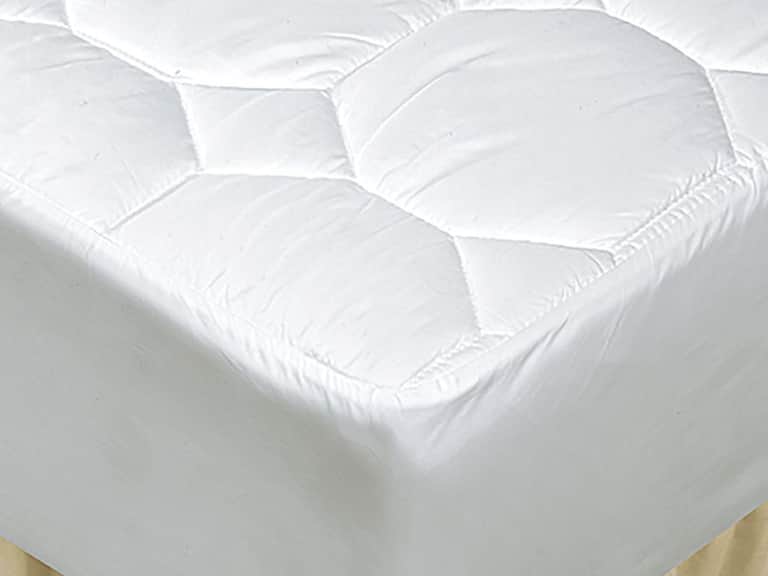
The inclusion of high-quality bedding items plays a critical role in supporting sleep health. For instance, a premium mattress pad can provide a breathable layer that helps regulate temperature and protects the mattress from wear. A trusted option in this space is the Downtown Company Luxury Cotton Mattress Pad, known for its plush fill, breathable construction, and durable fit with 18" deep pockets. While it’s a mattress pad rather than a cover, its commitment to comfort and longevity makes it a thoughtful addition to a sleep-focused setup.
Daily Routines that Promote Rest
Routine consistency is a powerful lever for better sleep. The goal is to create predictable cues that prepare your brain and body for rest. Here are practical steps you can begin this week:
- Set a fixed bedtime and wake-up time, even on weekends. This regularity helps stabilize your circadian rhythm.
- Wind down with a pre-sleep ritual: dim lights, stretch, gentle breathing, or a warm bath to signal the body that sleep is approaching.
- Limit caffeine after mid-afternoon and avoid large meals close to bedtime.
- Incorporate light evening activity, like a 20-minute walk, to improve sleep pressure without overstimulation.
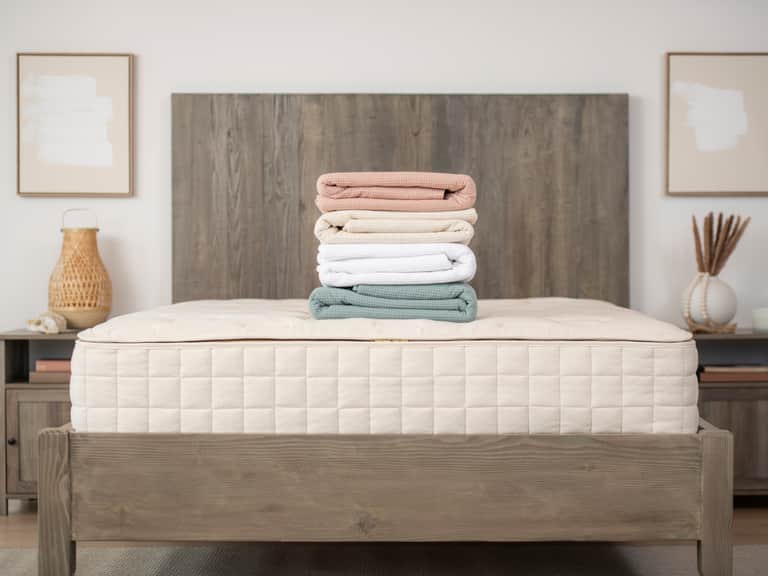
In addition to routines, the type of pillow and sheet sets you choose can influence sleep quality. For instance, natural materials such as organic cotton pillow covers and wool-filled bedding can offer temperature regulation and breathability that support a stable sleep environment. The Naturepedic Organic Cotton Waffle Blanket provides a breathable, cozy layer that complements cooling strategies without excessive weight, contributing to a calmer sleep surface.
Light, Light, and Light: Caffeine Timing and Light Exposure
Light is the maestro of your circadian rhythm. Morning light exposure helps advance your circadian phase, making you more alert during the day. As evening approaches, decreasing brightness and avoiding blue-spectrum light can push your body toward melatonin production. Sleep-friendly routines may include outdoor morning walks, or even a light, sunlit desk hour in the morning to set your internal clock.
Caffeine is a potent stimulant that can linger in the body for hours. Timing your caffeine intake, ideally avoiding it after early afternoon, can reduce sleep latency and awakenings. If you’re sensitive to caffeine, you may need to adjust even earlier in the day.
Putting It All Together: A Starter Plan
Here is a practical starter plan you can implement this week, designed to improve sleep foundation without complicating your daily routine:
- Week 1: Stabilize sleep window — go to bed and wake up at the same time every day for seven days.
- Week 2: Create a wind-down ritual — 30 minutes before bed, dim lights, deactivate devices, and perform a relaxing activity such as light stretching or mindful breathing.
- Week 3: Optimize the bedroom — set the temperature to a cool range, minimize noise, and ensure your bedding is comfortable and breathable (consider a mattress pad or a waffle blanket for added texture and temperature management).
- Week 4: Refine routines — monitor how different routines affect sleep duration and quality; adjust caffeine timing or exercise timing if needed.
Editorial Timeline: Three Key Figures in Sleep and Rest
Sleep science has evolved through the contributions of remarkable individuals across eras. Here are three influential figures from different time periods who shaped our understanding of rest and the mysteries of the night.
Hippocrates (c. 460–370 BCE)
Often called the father of medicine, Hippocrates emphasized holistic health, including the importance of regular sleep patterns for general well-being. Though not a sleep scientist in the modern sense, his advocacy for balanced living laid early groundwork for later sleep hygiene concepts by stressing routines, rest, and moderation as essential to health.
Ralph Waldo Emerson (1803–1882)
A thinker of the transcendental era, Emerson championed self-reflection and nature’s rhythms. His writings encouraged pacing life with mindful routines and contemplation, ideas that echo in sleep hygiene's emphasis on winding down and cultivating a calm, restorative end to the day.
Dr. Matthew Walker (contemporary)
A leading sleep scientist and author of Why We Sleep, Walker synthesizes decades of research on circadian rhythms, sleep stages, and the health consequences of poor sleep. His work underlines how small changes—consistent bedtimes, light management, and sleep-friendly environments—have outsized effects on overall health, mood, and cognitive function.
A Sleep-Health Filled Shopping List: Bedding That Supports Rest
Integrating sleep hygiene with practical shopping choices helps translate theory into daily comfort. The following items emphasize breathability, temperature control, and long-lasting quality. They align with the holistic sleep wellness theme, offering both functional benefits and a sense of nightly ritual.
Downtown Company Luxury Cotton Mattress Pad
A plush cotton-fill pad with an 18" deep pocket and a breathable quilted cover. Made in Austria, washable and designed to keep a mattress protected while adding a soft, breathable layer.
View productNaturepedic Organic Cotton Waffle Blanket
A breathable organic cotton blanket with a textured waffle weave that balances warmth and air flow, perfect for layering in fluctuating temperatures.
View productNaturepedic Organic Cotton Sateen Sheet Set
Soft, durable, and GOTS-certified organic cotton sateen with a smooth hand feel—an ideal base layer for a restful night.
View productPractical Tips for Immediate Impact
- Control light exposure by dimming lamps and minimizing blue light after sundown. Consider blackout curtains or an eye mask to maintain darkness in the bedroom.
- Keep the bedroom cool and well-ventilated; use breathable fabrics and consider temperature-adjusting bedding for comfort across seasons.
- Establish a consistent wind-down routine that signals your brain to prepare for sleep, like journaling, gentle stretching, or a brief meditation.
- Make mindful caffeine choices, especially in the late afternoon, to reduce sleep latency and improve sleep depth.