Unlocking Better Sleep: A Practical Sleep Health Home Guide

Discover science-backed habits, a sleep-friendly bedroom, and approachable routines that help you clock more restorative nights. This guide blends everyday practicality with evidence-based tips, drawing inspiration from sleep researchers, time-tested wellness practices, and real-life stories from notable individuals across eras.

Executive Summary

Good sleep isn’t a luxury; it’s a daily foundation. This guide provides concrete steps you can weave into your routine—from establishing consistent wake times and mindful wind-down rituals to creating a bedroom environment optimized for light, temperature, and sound. It also emphasizes non-toxic, breathable bedding materials that support healthier sleep and reduce nighttime disruptions. By combining small daily habits with a carefully designed sleep zone, you can cultivate a healthier relationship with rest.

Key themes include:

  • Small daily habits that boost sleep quality: consistent wake times, mindful wind-down routines, and limiting caffeine late in the day.
  • Bedroom environment: lighting, temperature, noise, and choosing breathable, non-toxic bedding materials.
  • Science-backed pre-sleep practices: relaxation techniques, light exposure management, and cues to flag when professional advice might be needed.

Why Sleep Health Matters

Sleep is a dynamic, active process that supports memory, mood regulation, metabolism, and immune function. For centuries, philosophers and scientists have emphasized rest as a cornerstone of well-being. In this article, we weave together historical perspectives and modern science to show how nurturing sleep translates into sharper cognition, better stress resilience, and healthier daily rhythms.

Take inspiration from three notable figures—each from different generations—whose approaches to rest and reflection illuminate universal truths about sleep:

  • Leonardo da Vinci (1452–1519): A Renaissance mind who valued long periods of contemplation and structured routines that balanced work with restorative moments of silence and.reading. His habit of breaks and measured pursuits underscores the importance of pacing and mood regulation before sleep.
  • Marie Skłodowska-Curie (1867–1934): A pioneer in science who emphasized discipline, methodical experimentation, and disciplined daily routines. Her approach to structure and consistent habits mirrors modern sleep hygiene practices that stabilize circadian rhythms.
  • Francis Crick (1916–2004): The Nobel laureate who highlighted the role of sleep in memory consolidation and problem solving. Crick’s work reminds us that the brain processes daytime learning during sleep, reinforcing the value of a calm, dark, and comfortable sleep environment.

These figures illustrate that while sleep needs are personal, the underlying discipline—consistent routines, environment, and mental calm—has stood the test of time.

Creating a Sleep-Friendly Bedroom

Your bedroom is more than a place to sleep—it’s a sanctuary that signals your brain to wind down. A well-thought-out environment reduces awakenings, improves sleep onset, and supports more stable sleep architecture. Here are practical steps to design a space that invites rest:

  • Light control: invest in blackout curtains or blinds, and consider warm, dimmable lighting in the evening. If screens are part of your wind-down, use blue light filters after sunset.
  • Temperature management: the ideal sleep temperature typically ranges from 60–67°F (15–19°C). Use breathable bedding to maintain comfort without overheating.
  • Noise strategies: white noise machines, soft fans, or earplugs can help mask disruptive sounds without creating a jarring wake-up cue.
  • Breathable, non-toxic bedding: opt for materials with good airflow and low chemical exposure to minimize irritants that can disturb sleep.

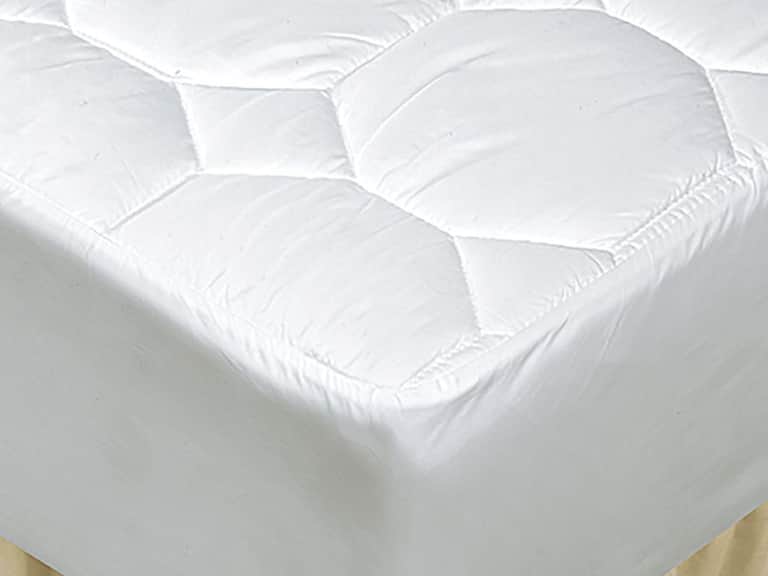
In particular, breathable bedding plays a central role in sleep comfort. A well-chosen mattress pad or quilted protector can enhance comfort while maintaining a clean, allergen-aware sleep space. For example, the Downtown Company Luxury Cotton Mattress Pad demonstrates how a breathable, soft layer can provide comfort without adding bulk. Its 18-inch deep pockets and jersey-knit skirt help secure the pad in place, ensuring a smooth surface throughout the night—an essential factor when you move between positions or share your bed with a partner.

Product spotlight: Downtown Town Luxury Cotton Mattress Pad

Downtown Company • 18" pockets • 100% cotton fill • Premium care, Austria-made

Note: Visuals provided on product pages show the texture and construction of premium padding, highlighting comfort and breathability suitable for warm sleepers.

Small Daily Habits That Boost Sleep Quality

Consistency matters more than you might think. Aligning your body’s internal clock—your circadian rhythm—requires regularity in wake times, mealtime, and wind-down rituals. Here are practical habits you can start today:

  • Stabilize your wake time: aim for the same time every day, even on weekends. A consistent wake time reinforces your internal clock and improves daytime alertness.
  • Design a wind-down routine: 30–60 minutes before bed, engage in calming activities such as gentle stretching, reading a physical book, or quiet breathing exercises.
  • Mind caffeine and alcohol intake: limit caffeinated beverages after mid-afternoon and be mindful of alcohol’s impact on sleep architecture.
  • Light exposure strategy: seek daylight in the morning to set your body’s clock and reduce bright light exposure in the evening to signal rest.

These daily habits are not about perfection; they’re about small, sustainable adjustments that compound into meaningful improvements in sleep quality over time.

Quick Science-Backed Tips to Prepare Your Mind and Body

Beyond routine, science supports techniques that reduce physiological arousal and prepare your brain for sleep. Consider these practices as a gentle set of pre-sleep rituals:

  • Relaxation techniques: progressive muscle relaxation, mindful breathing, or guided imagery can lower heart rate and cortisol, easing the transition to sleep.
  • Screen-light management: if you must use screens, switch to warmth-protective modes and consider dimming brightness and enabling night mode 2–3 hours before bed.
  • Mindful reflection: jotting down worries or a brief gratitude note can offload cognitive load and prevent rumination at bedtime.
  • Red flags for professional advice: chronic insomnia lasting more than 3–4 weeks, persistent snoring with daytime fatigue, or sleep-disordered breathing warrants a professional evaluation.

These techniques are not just about “how to fall asleep faster” but about shaping a healthy relationship with bedtime that supports restorative rest across the lifespan.

As part of a holistic approach to sleep health, it can help to integrate health-conscious bedding choices into your routine. Selecting breathable, non-toxic materials can minimize irritants and allergy triggers, reducing nighttime awakenings and promoting steadier sleep cycles.

Three Time-Span Perspectives on Sleep and Rest

Across eras, leaders and thinkers have emphasized the importance of rest in shaping creativity, productivity, and well-being. Here are three iconic figures who illuminate timeless themes about sleep, each from a different century:

Leonardo da Vinci (1452–1519): The Rhythm of Breaks

Da Vinci is said to have practiced a broken-sleep pattern, taking short naps to sustain bursts of creative work. His method reflects an intuitive appreciation for rest as a fuel for focus and problem-solving. For modern readers, this echoes the idea that strategic downtime can boost cognitive performance. In practice, you might experiment with structured wind-down periods and mid-evening resets to support sustained productivity without sacrificing rest.
Marie Skłodowska-Curie (1867–1934): Discipline and Daily Rhythm

Curie’s scientific rigor and disciplined routine demonstrate how consistency underpins breakthrough work. In sleep health terms, her approach mirrors the importance of a steady daily routine and a reliable wind-down to prime the mind for the next day’s experiments. For readers, this reinforces the idea that regular sleep schedules are not a barrier to ambition but a prerequisite for sustained achievement.

Francis Crick (1916–2004): Sleep and Memory Consolidation

Crick, co-discoverer of the structure of DNA, championed the idea that sleep contributes to memory consolidation and cognitive processing. His perspective highlights the brain’s nightly rehearsal and refinement of daytime learning. In practical terms, this means allowing adequate sleep to support memory, learning, and creative insight—an essential reminder that rest is a critical component of intellectual progress.

Product Spotlight: Bedding That Elevates Sleep Wellness

Choosing the right bedding can transform your sleep environment from ordinary to restorative. A single well-chosen layer can influence temperature regulation, airflow, and comfort. Here’s a look at a standout product from a curated line that aligns with sleep health values:

Downtown Company Luxury Cotton Mattress Pad

A plush, breathable layer that protects and elevates the mattress with a refined, European-inspired touch. Features 18" deep pockets and a jersey-knit skirt for a secure fit.

Price: $458.00

Material: 100% cotton fill; cotton-blend honeycomb quilted cover. Made in Austria; machine washable.

This pad demonstrates how a simple, breathable layer can enhance comfort and protect the mattress without adding bulk. It’s a practical entry point into a sleep-health mindset—prioritizing comfort, cleanliness, and longevity of your sleep surface.

Conclusion: A Practical Path to Restful Nights

Sleep health is a holistic practice that blends daily routines, environmental design, and thoughtful product choices. By embracing consistent habits, optimizing your sleep space, and selecting breathable, non-toxic bedding, you set the stage for more restorative nights and more energetic days. This guide invites you to start small, measure progress, and gradually build a sleep routine that fits your life.

Whether you’re exploring a memory foam pillow, a latex pillow for contour support, or a premium mattress pad that protects your investment while improving comfort, remember: rest is a daily investment in your health, mood, and performance. As the science of sleep continues to unfold, the best strategies remain elegantly simple: a regular schedule, a calm mind, and a bedroom that invites you to close your eyes and recharge.

Related Products

DownTown Company Luxury Cotton Mattress Pad

DownTown Company · No. CP

DownTown Company Luxury Cotton Mattress Pad

Transform your sleep with the Downtown Company Luxury Cotton Mattress Pad. Enjoy breathable comfort and a secure fit that stays in place all night, while its elegant design enhances your bed. Plus, it’s fully washable for easy care—luxury made simple!
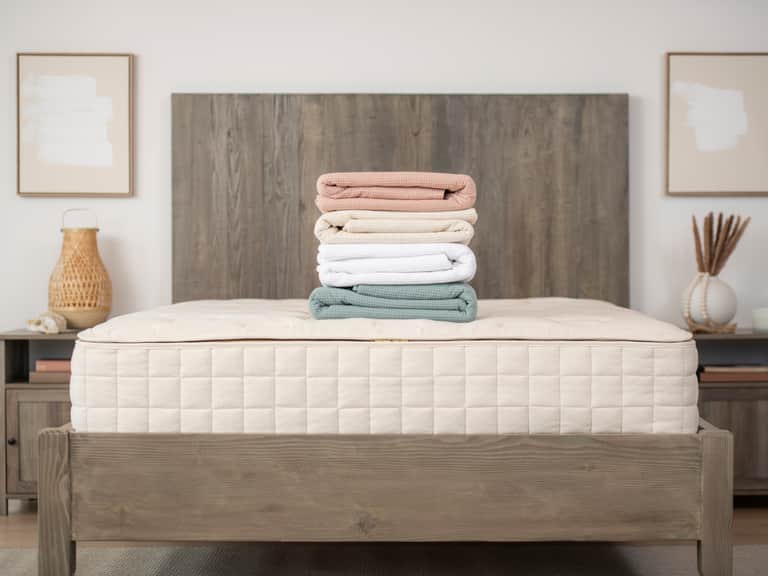
Naturepedic Organic Cotton Waffle Blanket

Naturepedic · No. NP-WAFFLE-BLANK

Naturepedic Organic Cotton Waffle Blanket

Experience cozy comfort with the Naturepedic Organic Cotton Waffle Weave Blanket. Its breathable texture keeps you warm without overheating, while the organic cotton ensures safety for you and the planet. Available in four stylish colors, it’s a perfect fit for any decor.
Naturepedic EOS Classic Mattress

Naturepedic · No. NEOSCOLM

Naturepedic EOS Classic Mattress

Experience restful, customized sleep with the Naturepedic EOS Classic Mattress. Made from organic materials, it offers pressure relief and support tailored just for you. Enjoy a luxurious night's sleep, knowing you're choosing a healthier, eco-friendly option.

Theme