Understanding Sleep Stages: How Your Night Shapes Restorative Health
A sophisticated guide to the science of sleep stages—from light to deep and REM—and how they cycle through the night to sculpt memory, mood, and physical renewal. With practical strategies to optimize your routine and environment, this is a stylish, evidence-based path to better rest.
The Architecture of Night: What Happens When We Sleep
Sleep is not a single, uniform act but a flexible architecture built from distinct stages. Each night, the brain choreographs a series of NREM stages—N1, N2, and the restorative N3 (deep sleep)—and the fleeting, dream-rich REM phase. These stages don’t occur in a static order; they drift in 90-minute cycles that repeat across the night, adapting to age, health, stress, and light exposure.
N1 is the transitional light sleep that greets us as we drift from wakefulness. It’s brief, airy, and easy to wake from, a soft bow between wakefulness and deeper rest. N2 follows, a more stable state where the body begins to disengage from the waking world. The brain emits sleep spindles and K-complex patterns in N2—signals that help protect the sleeping brain from minor disturbances.
N3, the deep sleep stage, is the stage of recovery. Growth hormone ebbs and flows here; the body repairs tissues, consolidates memories, and resets the nervous system. REM sleep arrives after that soulful dip into deep sleep, bringing rapid eye movements, heightened brain activity, and dreams. REM is critical for emotional regulation, procedural memory (how to perform tasks), and creative problem solving.
The orchestration of these stages matters. A healthy night yields a robust distribution: sufficient deep sleep early in the night and meaningful REM during the latter cycles. Disruptions—early awakenings, delayed sleep onset, or irregular bedtimes—can skew the balance, diminishing restorative benefits.
Why Each Stage Matters: The Health Implications
Memory and learning are intimately tied to sleep architecture. During NREM, particularly N2 and N3, the brain rehearses information acquired during the day, encoding memories into durable neural traces. REM sleep complements this by integrating memories, emotional processing, and creativity. When memory formation is your style, you want cycles that allocate enough time to both deep, restorative sleep and vivid REM.
Emotional resilience also rides on sleep structure. Deep sleep steadies affective reactivity, while REM modulates mood and social cognition. Inadequate REM can leave you more reactive, less adaptable to stress, and more prone to mood fluctuations the next day.
For physical health, deep sleep is a time for cellular repair, immune function optimization, and metabolic recalibration. The body’s recovery mechanisms—such as tissue repair and hormonal balance—relish the quiet power of N3. Interruptions in deep sleep can blunt these restorative processes, leaving you feeling foggy, fatigued, or under-recovered after intense physical or cognitive exertion.
How to Support Healthy Sleep Cycles: Practical Guidelines
The science is clear: regularity and environmental cues steer your sleep architecture. Small but meaningful adjustments can smooth the rhythm, prolonging restorative stages and reducing awakenings.
- Maintain a consistent schedule. Target a regular bedtime and wake time, even on weekends. Your body’s internal clock, or circadian rhythm, thrives on predictability and will align sleep pressure with your daily routine.
- Calibrate light exposure. In the morning, seek bright light to advance your circadian phase and help you feel alert. In the evening, minimize blue-light exposure from screens and consider warm ambient lighting to encourage earlier sleep onset.
- Mind your caffeine and meals. Avoid caffeine in the late afternoon and evening. Large meals close to bedtime can disrupt sleep initiation and later stages of the cycle.
- Create a sleep-conducive environment. A cool, quiet, and dark room supports longer, uninterrupted cycles. Consider temperature range between 60-67°F (15-19°C) as a baseline, while personal comfort may push this up or down.
- Exercise with intention. Regular physical activity generally promotes better sleep, but timing matters. Try to finish vigorous workouts at least three hours before bed to prevent acute arousal that may delay sleep onset.
- Wind down with a pre-sleep ritual. Gentle routines—warm bath, light stretching, or mindful breathing—signal your brain that rest is near and can reduce arousal that interrupts sleep onset and continuity.
Environmental Factors that Shape Sleep Stages
Environment interacts with biology to sculpt the length and quality of each sleep stage. The right conditions can deepen sleep, reduce awakenings, and sustain the delicate balance across cycles.
Light and darkness: Light signals cue wakefulness and circadian alignment. Evening darkness supports melatonin release, facilitating the onset of sleep and preserving the early cycles rich in NREM stages. Morning light strengthens morning arousal signals, encouraging consistent wake times.
Temperature: A slightly cooler environment helps you reach and maintain deep sleep. If you’re a hot sleeper, consider breathable fabrics and strategic bedding choices that promote heat dissipation without compromising comfort.
Sound and silence: Noise can fragment sleep architecture. White noise or soft, regular sounds may help some individuals maintain continuity, while others prefer complete quiet. Personal tolerance dictates what works best for preserving cycles.
Bedding and comfort: The tactile feel of sheets, pillows, and mattresses influences arousal thresholds. Comfort regions that support stable spinal alignment and minimize micro-awakenings contribute to smoother transitions between sleep stages.
Myth Busting: What Inevitable Sleep Truths Really Are
Common misconceptions about sleep can mislead even the most discerning reader. Let’s set the record straight with evidence-backed clarity.
- More REM equals better sleep? Not necessarily. While REM supports mood and memory integration, excessive REM at the expense of deep sleep can be detrimental, particularly if it fragments deep restorative stages. Balance is key.
- Waking during deep sleep is catastrophic? Brief awakenings can be normal, especially for sensitive sleepers or those under stress. The brain often returns to sleep without long-term disruption if awakenings are infrequent and short.
- Sleep duration alone defines quality? Duration matters, but the distribution of stages and sleep continuity matter just as much. A longer night with frequent awakenings may yield poorer restorative outcomes than a shorter, more consolidated sleep episode with healthy stage distribution.
Your First Week of Better Sleep: A Gentle Onboarding
For those starting a new sleep routine, an onboarding approach can be especially helpful. Here’s a starter plan designed to gradually tune your circadian rhythm and sleep architecture.
- Night 1-2: Set a consistent bedtime. Minimize screen exposure three hours before bed. Create a dim, cool, quiet environment.
- Night 3-4: Integrate a gentle wind-down ritual. If you wake briefly in the night, observe without judgment and return to sleep quickly.
- Night 5-7: Ensure exposure to morning light, especially within 30-60 minutes of waking. Practice brisk, daylight-tinged activity to reinforce daytime alertness.
Glossary of Sleep Terms: Quick Reference
A concise glossary helps readers navigate the science with confidence.
- N1, N2, N3: The stages of non-REM sleep, ranging from light to deep restorative sleep.
- REM sleep: Rapid Eye Movement sleep associated with dreaming and memory integration, important for emotional regulation.
- Circadian rhythm: The body's internal clock that governs sleep-wake cycles over roughly 24 hours.
- Sleep architecture: The structure of sleep across cycles, including the sequence and duration of NREM and REM stages.
- Sleep homeostasis: The balance of sleep pressure that builds during wakefulness and dissipates during sleep.
References and Credible Foundations
The information herein draws from established sleep science research and guidance from reputable sleep health organizations. For deeper reading, consult peer-reviewed journals on circadian biology, sleep medicine guidelines, and reviews on sleep architecture and memory consolidation.
Practical On-Site Resources: How This Hub Supports Your Sleep Literacy
This Educational Sleep Science Hub is designed to be a reliable, readable resource. While the site may reference related bedding components in a broader sleep ecosystem, the core emphasis remains anchored in sleep science, health literacy, and practical, evidence-informed guidance. You’ll find:
- Comprehensive explainers on sleep stages, circadian rhythms, and memory consolidation.
- Actionable sleep hygiene tips and routine-building guidance.
- Environment optimization guides that frame room setup in the language of sleep health.
- Myth-busting FAQs with citations for readers seeking credible answers.
Related Product Context: Thoughtful Bedding for Better Sleep Experience
While this hub emphasizes education and health literacy, it also recognizes how thoughtful bedding can support sleep quality. If you’re exploring options to improve comfort without compromising sleep science, consider carefully chosen, high-quality bedding components that align with your personal comfort preferences and sleep goals.
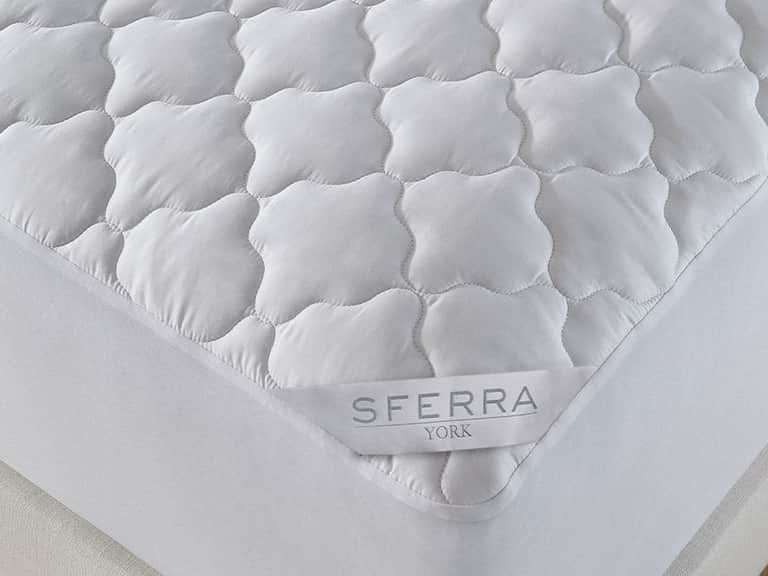
Notable items in the bedding ecosystem include luxurious options such as York Mattress Pad, which blends premium cotton loft with a smooth, breathable surface. The York pad is designed for comfort and a balanced sleeping experience, offering a tactile luxury that doesn’t overwhelm the senses. If you’re seeking an elevated layer of softness and structure, this product can complement a thoughtful sleep routine.
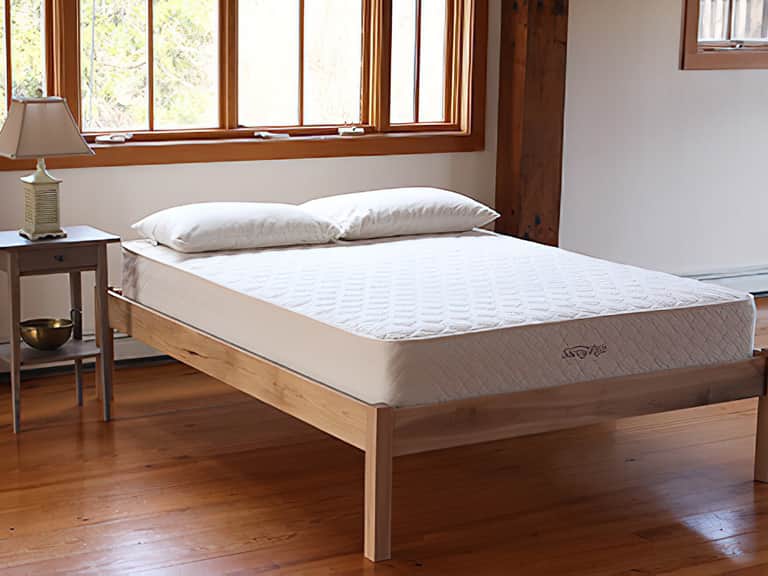
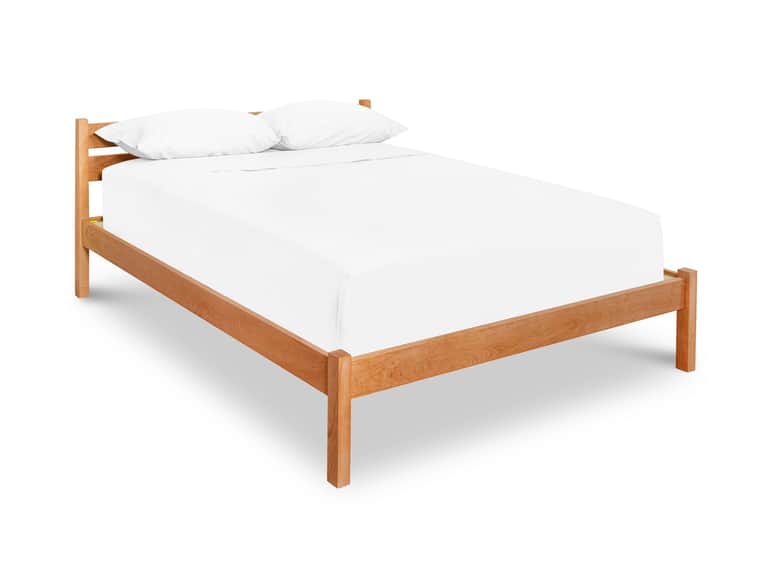
For those who crave a platform bed or refined wooden frames as the backbone of a sleep sanctuary, options like the Savvy Rest Afton Platform Bed offer a timeless, minimal aesthetic crafted with natural finishes and zero-VOC considerations. Such pieces contribute to a sleep environment that feels calm and grounded, aligning with the calm physiological tone needed for restorative cycles.
Conclusion: Sleep as a Luxe Routine, Not a Routine Luxury
Sleep is not merely a nightly habit; it is a disciplined luxury that nourishes cognition, mood, and physical health. By understanding the architecture of sleep, embracing consistent routines, and tuning the environment to favor stable cycles, you invest in yourself with every curtain fall. The dance of NREM and REM is a delicate ballet—one that rewards those who honor it with mindful habits, gentle routines, and a serene, science-informed approach to rest.
— The Editorial Team