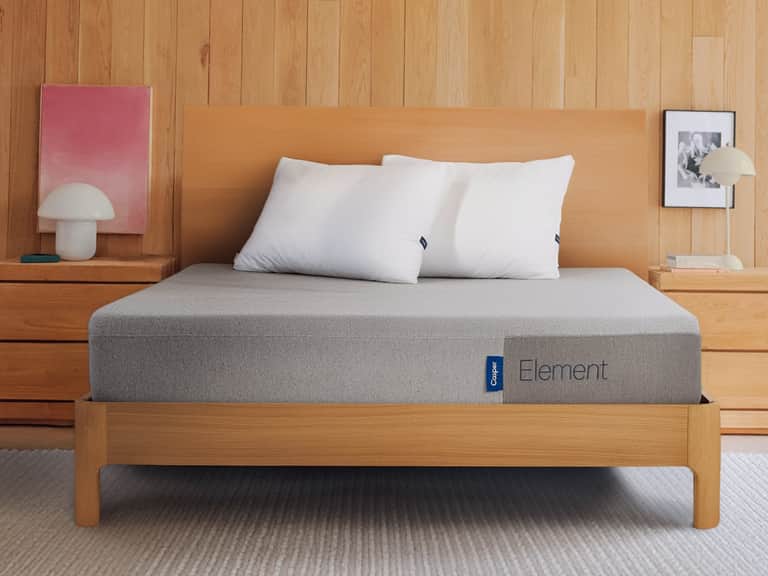
Foam mattresses are distinguished by their material composition, offering pressure relief, contouring support, and motion isolation that can benefit various sleeping styles. Memory foam and polyurethane foam variants respond to body heat and weight to minimize pressure points, contributing to alignment for the spine. Keywords such as memory foam pillows and sheets are relevant for broader bedroom comfort contexts.
The Original Mattress within the category emphasizes conforming comfort and controlled firmness, often balancing softness with targeted support. It can help sleepers achieve a buoyant initial feel while maintaining stable pressure distribution across the torso and hips. This type of foam mattress is commonly associated with enhanced night-long comfort and durability.
The Element Mattress typically features layered foam construction designed to optimize cooling, resilience, and support. By employing breathable foams and zoned comfort profiles, it seeks to reduce heat buildup and provide consistent alignment from shoulder to hip. Such design considerations align with a broad range of sleeper preferences and bedroom setups.
Foam mattresses—whether memory foam or conventional foam—often incorporate open-cell or gel-infused technologies to improve airflow and moisture management. These features can influence overall sleep temperature and comfort, particularly for individuals who experience heat sensitivity or extended sleep sessions.
In addition to core foam materials, the category intersects with other bedding essentials such as pillows, sheets, and duvet covers that support a cohesive sleep environment. Understanding product features, durability, and functional benefits helps consumers evaluate how a foam mattress integrates with personalized sleep goals and ergonomic needs.
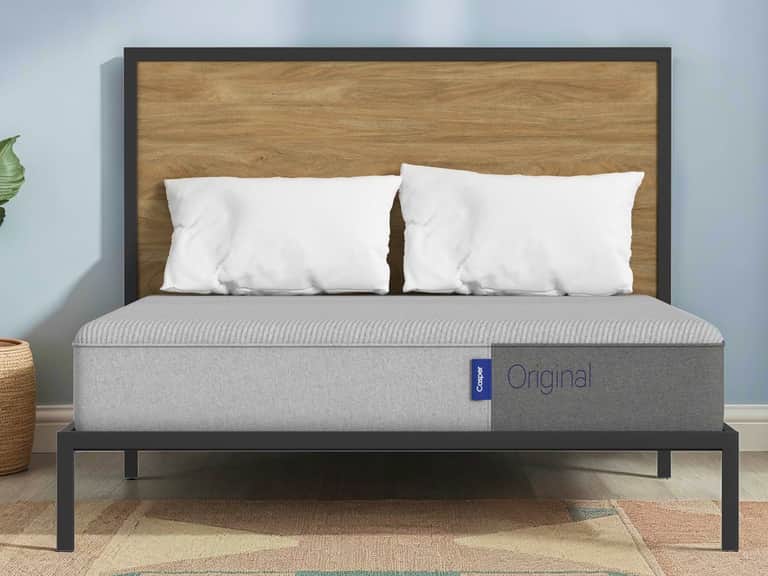 Mattresses