Latex as a bedding material offers a resilient and breathable foundation for sleep surfaces, balancing contouring support with buoyant responsiveness. Natural latex tends to promote pressure relief while maintaining airflow, contributing to a cooler sleep environment. In bedding categories, latex products can include pillows, toppers, and comfort layers designed for durable performance and long-term comfort.
In the context of pillows, latex variants provide consistent support with natural elasticity, helping to align the head, neck, and spine. The material's open-cell structure supports air circulation, potentially reducing heat buildup compared to denser foams. This makes latex pillows suitable for sleepers who value steady height and responsive support.
Memory foam pillows are often contrasted with latex options to illustrate different feel profiles: memory foam emphasizes adaptive contouring, while latex emphasizes lift and resilience. Understanding these differences aids in selecting bedding that suits individual sleeping positions, shoulder width, and preferred firmness level, contributing to overall sleep quality and spinal alignment.
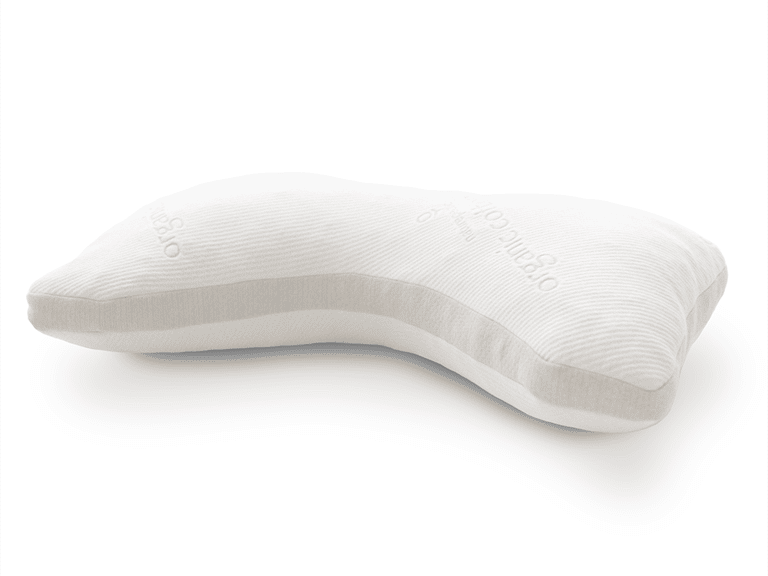
The Naturepedic Organic Side Sleeper Pillow exemplifies how latex-structured support can be integrated with organic certification, hypoallergenic materials, and thoughtful design for side sleeping. Features may include a ergonomic shape, breathable cover, and a fill that maintains support without excessive compression, enhancing neck and shoulder comfort.
Across bedding categories such as sheets, duvet covers, and pillow arrangements, latex-based components interact with other materials to influence temperature regulation, moisture management, and durability. Integrating knowledge of bedding types—bedding, pillows, memory foam pillows, sheets, duvet covers—helps clarify how latex products fit into a balanced sleep system that supports rest and recovery.
 Bedding